1. Stay out and call
Keep everyone out of the space and do not touch what you see. The team asks a few questions to plan the job.
Princeton, KY · Caldwell County
Cleaning up after a loved one's drug use is hard enough. In Princeton, call (877) 812-4220 and let a cleanup team remove paraphernalia, clean up residue and take away what cannot be saved.
If anyone is in danger, call 911 first. For a suicide crisis, call or text 988.
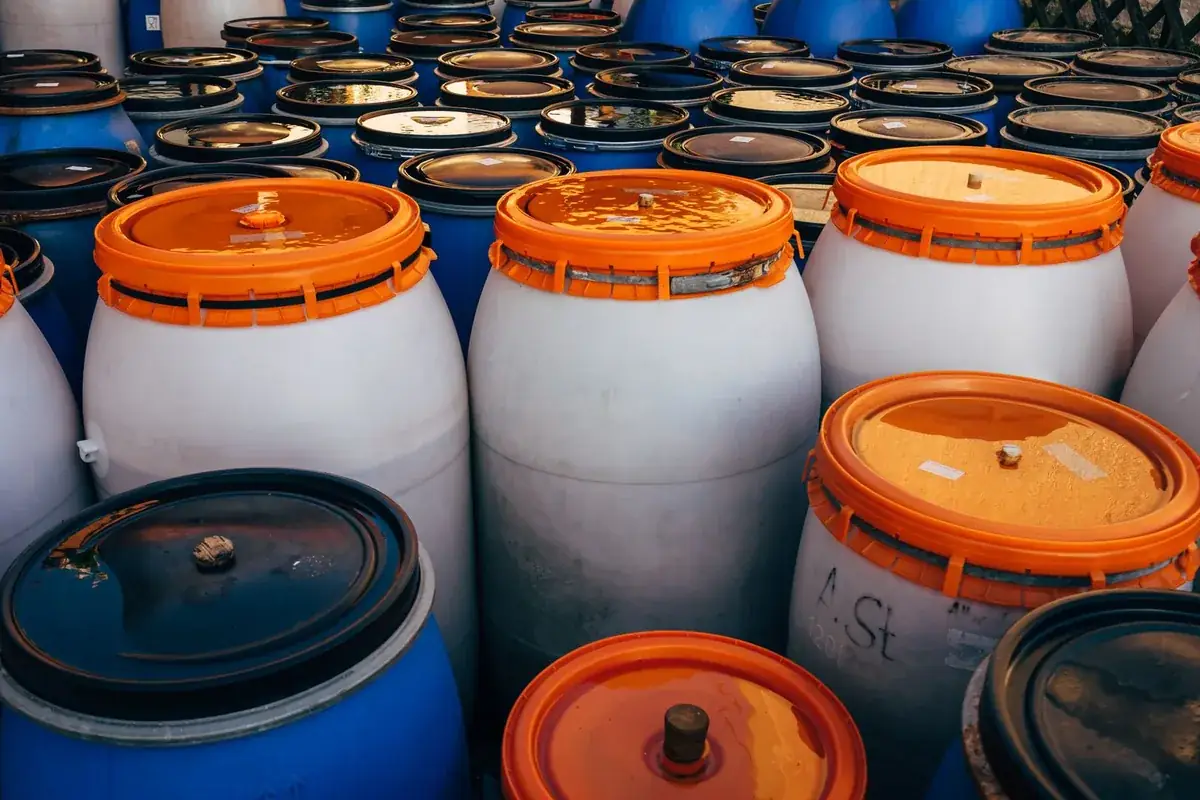
Cleaning up after drug use means handling two risks at once: sharps that can carry bloodborne pathogens and residue that can harm people who touch, breathe or swallow it.
If you run a hotel, motel or small business in Princeton, you can get focused cleanup of rooms and restrooms where drug items were left behind. Call Princeton Biohazard Cleanup Help. Crews work quickly and discreetly across Caldwell County.
Vacant housing is about 17% of homes in Caldwell County. Empty buildings can hold hidden syringes and residue, and owners often check them before repairs or sales. Tell the doctor where the exposure happened. Caldwell Medical Center, about 2 miles from Princeton, can evaluate people who may have been exposed.
Drug Paraphernalia Cleanup in Princeton usually includes:
Keep everyone out of the space and do not touch what you see. The team asks a few questions to plan the job.
Sharps come first, then bags, foil, containers and stained linens. Each is sorted into the right container.
Paraphernalia goes into sealed containers, and hard surfaces are cleaned with EPA-registered products.
Surfaces are disinfected, odors are treated, and a last walk-through confirms the space is ready.
The cost of drug paraphernalia cleanup in Princeton, KY depends on the amount of material, how it is packed and how it is hauled.
Disposal of sharps and contaminated materials as regulated waste is part of the price, and it changes with the amount.
| Type of job | Typical range |
|---|
Estimates only, not a quote. Sources: . Price drivers include amount of material, whether residue is present, surfaces affected, waste disposal. Call (877) 812-4220 to talk through the job.
Police and the city do not usually clean the space afterward. The owner or the family books the cleanup once the scene is released. A cleanup team can work after the release and explain the steps. Ask the agency when the space is cleared.
Some residues can harm people who touch them, and you cannot tell by looking which ones. That is why gloves are not a substitute for professional cleanup. If skin touches something unknown, wash with soap and water and call Poison Control.
The owner of the property usually pays at first. Lease terms and local law decide who is responsible in the end. A landlord, an attorney or a tenant rights group can say. Keep any record the cleanup team gives you, since a landlord or insurer may ask for it.
Standard paraphernalia cleanup is about removal, cleaning and disinfection. Testing is a separate step, usually tied to a site where drugs were made. Ask the team and the local health department what testing, if any, applies to your property.
No. This page explains how drug paraphernalia cleanup works. It is not medical, legal or insurance advice. For symptoms, contact a doctor or Poison Control, and for legal questions, ask an attorney.
Keep them out of affected rooms until a cleanup team has finished. Children and pets are closest to floors and furniture and are most at risk from residue. If a child or pet touches or swallows something, call Poison Control or a veterinarian.
Describe what you found and ask how removal and cleaning would work.
Call (877) 812-4220